How to Create a Pet-friendly Garden?
Our pets are an important part of our lives, and creating a pet-friendly garden is a wonderful way to ensure that they can enjoy the outdoors while staying safe. Whether you have a dog, a cat, or even a rabbit, there are certain steps you can take to make your garden a haven for your furry friends. In this article, we will explore some tips and ideas on how to create a pet-friendly garden that both you and your pets will love.
Choosing Pet-friendly Plants
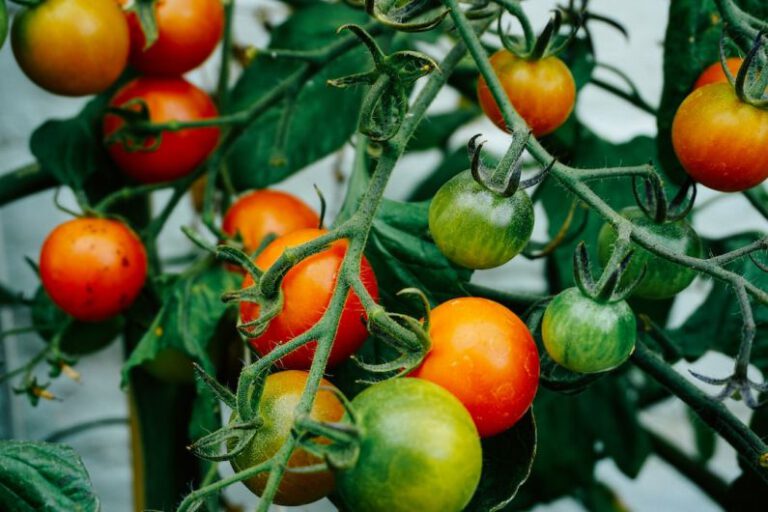
One of the first things to consider when creating a pet-friendly garden is the type of plants you choose. Some plants can be toxic to animals if ingested, so it’s important to do your research before planting. Opt for pet-friendly plants such as marigolds, sunflowers, and petunias, which are not only safe for your pets but also add beauty to your garden. Avoid plants like lilies, daffodils, and azaleas, as they can be toxic to animals.
Creating Safe Boundaries
Creating safe boundaries is crucial to prevent your pets from wandering off or getting into areas that could be harmful to them. Installing a fence around your garden will not only keep your pets safe but also give them the freedom to explore and play. Make sure the fence is secure and the gaps are small enough to prevent any escapes. Additionally, consider adding a gate with a latch that your pets cannot easily open.
Providing Shade and Shelter
Just like humans, pets need a place to seek shade and shelter from the sun and rain. Create designated shaded areas in your garden by planting trees or adding umbrellas or canopies. Providing your pets with a comfortable shelter, such as a doghouse or a cat condo, will also ensure that they have a cozy spot to rest and relax.
Designing a Pet-friendly Pathway
Designing a pet-friendly pathway is an excellent way to enhance your garden while ensuring that your pets can move around freely. Avoid using materials like gravel or sharp stones that can hurt your pets’ paws. Instead, opt for grass, wood chips, or rubber mulch, which are softer and more comfortable for them to walk on. Additionally, make sure the pathway is wide enough for your pets to navigate without any difficulty.
Creating a Play Area
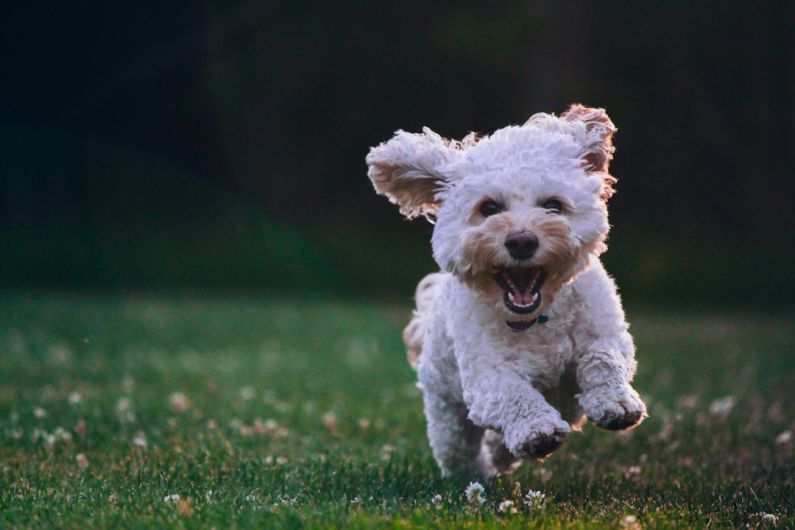
Pets need regular exercise and mental stimulation, so creating a play area in your garden is essential. Set aside an area where your pets can play and explore safely. Consider adding some pet-friendly toys, such as balls or frisbees, to encourage playtime. You can also create an obstacle course using low hurdles or tunnels to keep your pets active and engaged.
Using Pet-friendly Pest Control
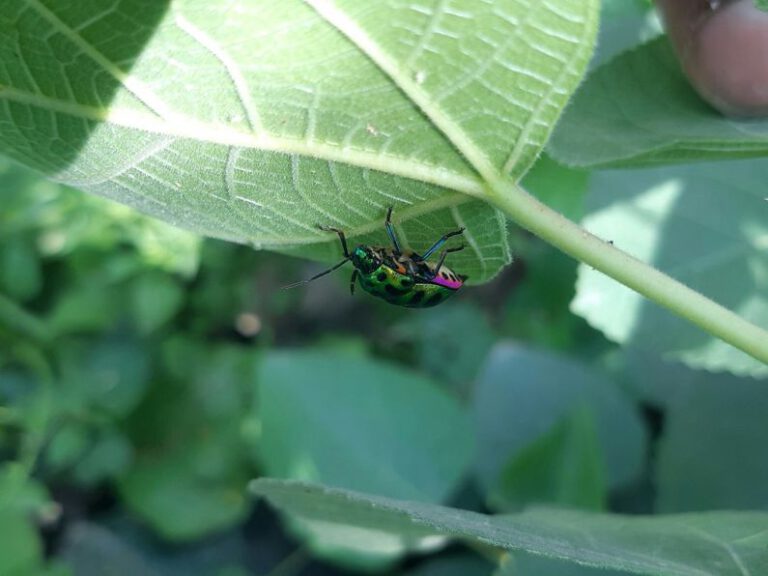
Pests can be a nuisance in any garden, but it’s important to choose pet-friendly pest control methods to keep your pets safe. Avoid using chemical pesticides or fertilizers that could be harmful to your pets if ingested. Instead, opt for natural alternatives such as neem oil or vinegar solutions to repel insects and pests. Regularly inspect your garden for any signs of pests and take necessary measures to eliminate them.
Conclusion: A Pet-friendly Oasis
Creating a pet-friendly garden is all about providing a safe and enjoyable space for your pets to thrive. By carefully choosing pet-friendly plants, creating safe boundaries, providing shade and shelter, designing a pet-friendly pathway, creating a play area, and using pet-friendly pest control methods, you can transform your garden into a pet-friendly oasis. Remember, the key is to balance your pets’ needs with the beauty and functionality of your garden. With a little bit of planning and creativity, you can create a garden that both you and your pets will love.