Why Are Heirloom Seeds Important for Your Garden?
In a world dominated by mass-produced and genetically modified crops, the value of heirloom seeds in gardening cannot be overstated. These open-pollinated seeds have been passed down through generations, preserving their unique characteristics and genetic diversity. Unlike hybrid or GMO seeds, heirloom seeds offer numerous benefits for your garden, your health, and the environment. Let’s explore why heirloom seeds are essential for any gardening enthusiast.
Preserving Genetic Diversity
One of the primary reasons heirloom seeds are important is their role in preserving genetic diversity. Traditional open-pollinated heirloom plants have evolved over centuries and adapted to specific environments. They possess a wide range of genetic traits, making them more resilient to pests, diseases, and environmental changes. By growing heirloom plants, gardeners contribute to the conservation of these unique genetic resources. In a time when industrial agriculture favors monoculture and uniformity, heirloom seeds help maintain biodiversity in our gardens and food systems.
Superior Taste and Flavor
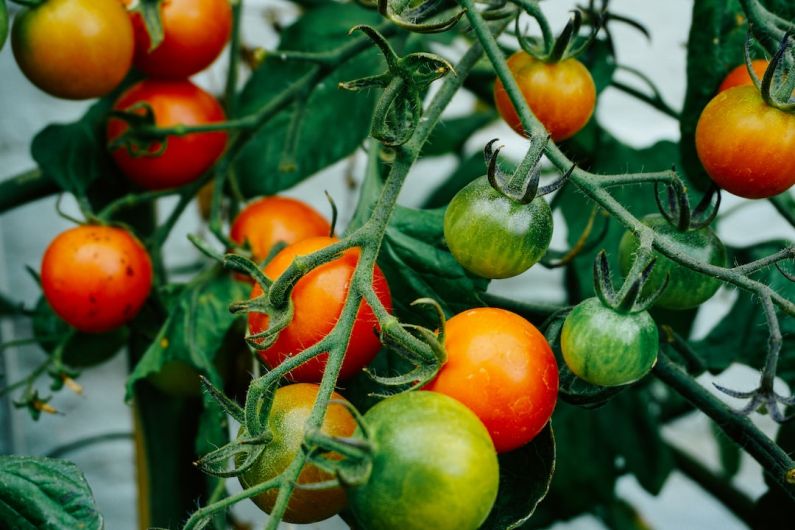
Another compelling reason to choose heirloom seeds is the exceptional taste and flavor they offer. Heirloom varieties are selected for their outstanding culinary qualities, resulting in fruits and vegetables with superior taste and unique flavors that are often lost in commercial hybrids. Whether it’s the rich sweetness of a Brandywine tomato or the intense aroma of a Lemon Drop pepper, heirloom plants provide a culinary experience that cannot be matched by modern varieties. By growing heirloom plants, you can savor the authentic flavors of the past and rediscover the true taste of food.
Sustainable Gardening Practices
Heirloom seeds also play a vital role in promoting sustainable gardening practices. Unlike hybrid seeds, which often require chemical inputs to thrive, heirlooms are well-suited to organic and sustainable cultivation methods. These plants are naturally adapted to their local environments and have built-in resistance to pests and diseases. By growing heirloom varieties, gardeners can reduce the use of synthetic pesticides and fertilizers, creating a healthier and more sustainable garden ecosystem. In addition, heirloom seeds can be saved and replanted year after year, reducing the need for purchasing new seeds and further reducing waste.
Preserving Cultural Heritage
Heirloom seeds are not just about gardening; they are also a connection to our cultural history. Many heirloom varieties have been passed down through generations, carrying with them stories, traditions, and memories. By cultivating heirloom plants, we honor and preserve our cultural heritage. We can learn from the wisdom of our ancestors and appreciate the significance of these plants in our collective past. Gardening with heirloom seeds allows us to reconnect with our roots and celebrate the diversity and richness of our agricultural heritage.
Supporting Local Seed Savers
Lastly, growing heirloom seeds supports local seed savers and small-scale farmers who dedicate their lives to preserving these valuable resources. These seed savers play a crucial role in maintaining genetic diversity and ensuring the availability of heirloom seeds for future generations. By purchasing heirloom seeds from local seed savers, gardeners contribute to the sustainability of these organizations and help maintain a vibrant seed-saving community.
In conclusion, heirloom seeds are a treasure trove of genetic diversity, taste, and cultural heritage. By growing heirloom varieties, we can preserve traditional plant genetics, savor unique flavors, adopt sustainable gardening practices, honor our cultural history, and support local seed savers. So, next time you plan your garden, consider the importance of heirloom seeds and the significant impact they can have on your garden and the world around us.