What Is Biophilic Design and How Can You Implement It?
In today’s fast-paced and urbanized world, many of us are longing for a deeper connection with nature. Biophilic design, a concept that has gained popularity in recent years, offers a way to bring nature into our built environments. By incorporating natural elements and patterns into our homes, offices, and public spaces, we can create spaces that not only look beautiful but also have a positive impact on our health and well-being. In this article, we will explore what biophilic design is and how you can implement it in your own space.
Understanding Biophilic Design
Biophilic design is a design approach that seeks to reconnect people with nature by incorporating natural elements and patterns into the built environment. The term “biophilia” was coined by biologist E.O. Wilson, who argued that humans have an innate affinity for nature due to our evolutionary history. Biophilic design aims to satisfy this innate need by creating spaces that mimic the natural world.
The Benefits of Biophilic Design
There are numerous benefits to incorporating biophilic design principles into our spaces. Research has shown that exposure to nature and natural elements can improve our mental and physical well-being. Studies have found that being in nature or even just looking at images of nature can reduce stress, improve cognitive function, and enhance mood. By incorporating natural elements into our built environments, we can create spaces that promote relaxation, creativity, and overall well-being.
Implementing Biophilic Design
Now that we understand the concept and benefits of biophilic design, let’s explore how you can implement it in your own space.
1. Bring in Natural Light
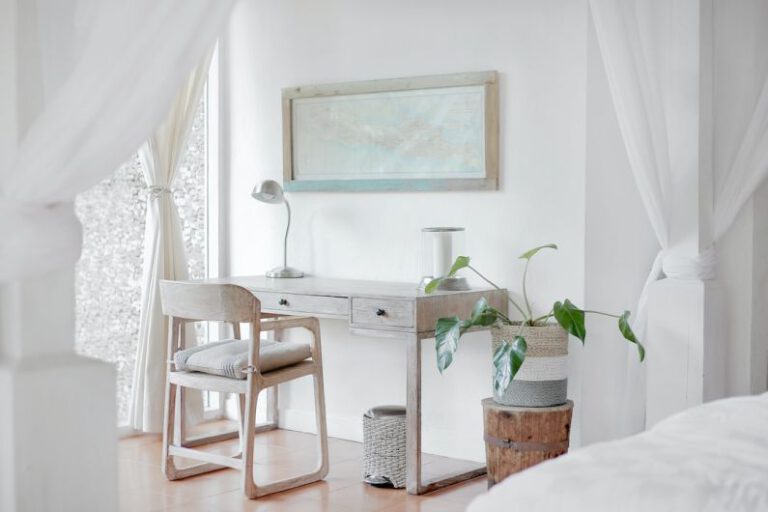
One of the easiest ways to incorporate biophilic design is to maximize natural light in your space. Natural light not only reduces the need for artificial lighting but also creates a connection to the outside world. Make sure to open up windows, use light-colored curtains or blinds, and position furniture to allow for maximum sunlight.
2. Use Natural Materials
Another key element of biophilic design is the use of natural materials. Incorporate materials such as wood, stone, or bamboo into your space to create a sense of warmth and connection to nature. Whether it’s wooden furniture, stone countertops, or bamboo flooring, these natural materials can add a touch of the outdoors to your indoor space.
3. Introduce Plants
Plants are perhaps the most obvious way to bring nature indoors. Not only do they add beauty and aesthetic appeal, but they also improve air quality and create a calming atmosphere. Choose a variety of plants with different shapes, sizes, and colors to create a diverse and vibrant indoor garden.
4. Incorporate Water
Water features such as fountains, ponds, or even small indoor waterfalls can help create a sense of tranquility and serenity. The sound of running water can be incredibly soothing and can mimic the sounds of nature. Consider adding a water feature to your space to enhance the biophilic design.
5. Create Views of Nature
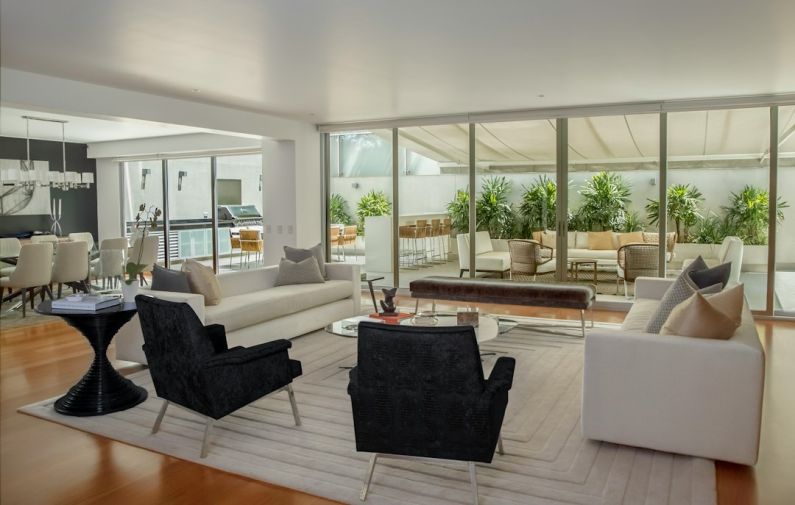
If you have access to natural views such as a garden or a park, make sure to maximize the view from your space. Position furniture or workstations in a way that allows for a view of nature. If you don’t have an outdoor view, you can create a similar effect by using nature-inspired artwork or photographs.
In conclusion, biophilic design is a powerful tool that allows us to reconnect with nature in our built environments. By incorporating natural elements and patterns into our spaces, we can create environments that promote well-being, reduce stress, and enhance creativity. Whether it’s bringing in natural light, using natural materials, introducing plants, incorporating water features, or creating views of nature, there are numerous ways to implement biophilic design in your own space. So go ahead, embrace the beauty of nature in your surroundings and experience the transformative power of biophilic design.