
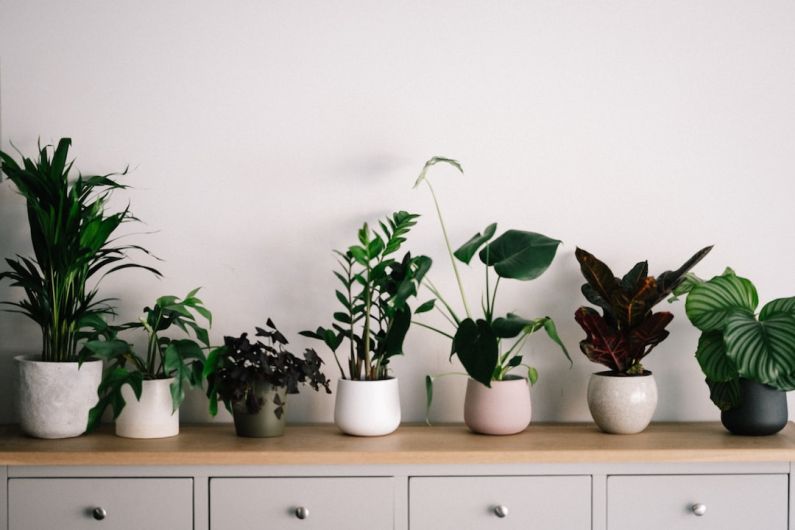
What Are the Best Plants for Indoor Air Quality?
Indoor air quality is a significant concern, especially in urban areas where pollution levels are high. People spend a significant amount of time indoors, so it’s important to create a healthy environment. One way to improve indoor air quality is by incorporating plants into your living space. Not only do they add beauty and a sense of tranquility, but certain plants also have the ability to purify the air by removing toxins and releasing oxygen. In this article, we will explore some of the best plants for indoor air quality.
Snake Plant (Sansevieria Trifasciata)
The snake plant, also known as mother-in-law’s tongue, is a popular choice for improving indoor air quality. It is known for its ability to convert carbon dioxide into oxygen at night, making it an excellent choice for bedrooms. Additionally, the snake plant is effective in removing toxins such as formaldehyde, trichloroethylene, and benzene from the air. Its unique long, sword-like leaves make it an attractive and low-maintenance addition to any indoor space.
Spider Plant (Chlorophytum Comosum)
The spider plant is another excellent choice for improving indoor air quality. It is known for its ability to remove formaldehyde, xylene, and toluene from the air. These toxins can be found in common household products such as paints, adhesives, and cleaning agents. The spider plant is easy to care for and produces beautiful cascading leaves, making it a popular choice for hanging baskets.
Peace Lily (Spathiphyllum)
The peace lily is not only a beautiful plant but also an effective air purifier. It is known for its ability to remove toxins such as benzene, formaldehyde, and trichloroethylene from the air. The peace lily also increases humidity levels, making it beneficial for dry indoor environments. It thrives in low-light conditions, making it an excellent choice for rooms with limited sunlight.
Aloe Vera (Aloe Barbadensis)
Aloe vera is a versatile plant that is well-known for its medicinal properties. It is also an excellent choice for improving indoor air quality. Aloe vera releases oxygen at night, making it a great choice for bedrooms. It also helps to remove formaldehyde and benzene from the air. Aloe vera is easy to care for and can be used for various purposes, such as soothing burns and moisturizing the skin.
Boston Fern (Nephrolepis Exaltata)
The Boston fern is a popular choice for improving indoor air quality. It is known for its ability to remove formaldehyde, xylene, and toluene from the air. These toxins can be found in common household products such as carpets, furniture, and paints. The Boston fern requires high humidity levels and indirect sunlight, making it suitable for bathrooms and kitchens.
Conclusion: Creating a Healthy Indoor Environment
Incorporating plants into your living space is a simple and effective way to improve indoor air quality. The snake plant, spider plant, peace lily, aloe vera, and Boston fern are some of the best plants for purifying the air and removing toxins. These plants not only add beauty to your home but also contribute to a healthier living environment. Remember to choose plants that are suitable for your specific indoor conditions and care for them properly to ensure their optimal performance. By creating a healthy indoor environment, you can enjoy cleaner air and a greater sense of well-being.