How to Choose the Right Outdoor Gear?
When it comes to outdoor activities, having the right gear can make all the difference. Whether you’re an avid hiker, camper, or adventurer, choosing the right outdoor gear is essential for your comfort, safety, and overall enjoyment. With so many options available in the market, it can be overwhelming to decide which gear is best for you. In this article, we will discuss some key factors to consider when choosing outdoor gear, so you can make informed decisions and have an amazing outdoor experience.
Know Your Activity
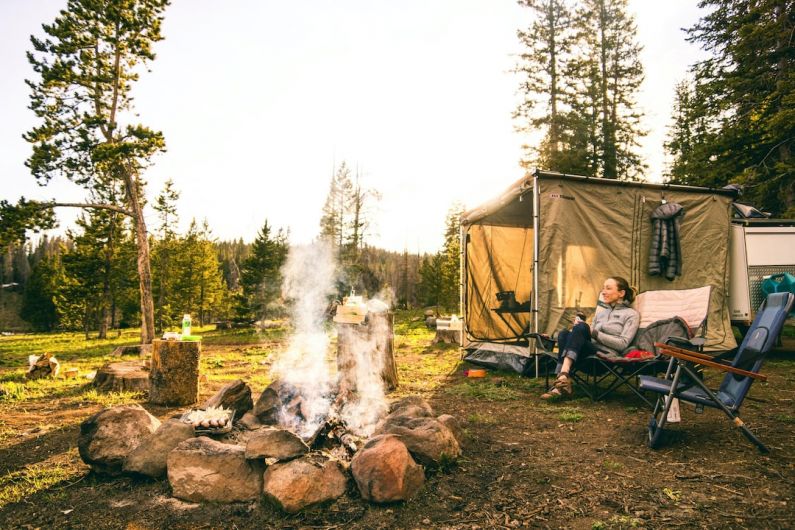
The first step in choosing the right outdoor gear is to know what activity you will be participating in. Different activities require different types of gear, so it’s important to understand the specific requirements of your chosen activity. For example, if you’re planning a hiking trip, you’ll need sturdy hiking boots, a backpack, and appropriate clothing. On the other hand, if you’re going camping, you’ll need a tent, sleeping bag, and camping stove. By understanding the demands of your activity, you can narrow down your options and focus on finding the right gear.
Consider the Weather
Weather conditions play a significant role in determining the type of outdoor gear you should invest in. If you’re planning to go hiking in cold and wet conditions, you’ll need waterproof and insulated gear to keep you warm and dry. On the other hand, if you’re going camping during the summer months, lightweight and breathable clothing will be more suitable. It’s important to research the weather conditions of your destination and choose gear that is appropriate for the climate.
Quality and Durability
Outdoor gear is an investment, so it’s important to choose gear that is of high quality and built to last. Look for reputable brands known for their durability and craftsmanship. While it may be tempting to opt for cheaper options, they often lack the durability needed for outdoor activities. Investing in high-quality gear may cost more upfront but will save you money in the long run, as you won’t have to replace it as frequently.
Fit and Comfort
Comfort should be a top priority when choosing outdoor gear. Ill-fitting gear can cause discomfort and hinder your performance during outdoor activities. When trying on gear, such as hiking boots or backpacks, make sure they fit properly and provide the necessary support. Consider factors such as cushioning, breathability, and adjustability to ensure optimal comfort. Additionally, pay attention to the sizing charts provided by manufacturers to find the right fit for your body type.
Weight and Portability
When participating in outdoor activities, it’s important to consider the weight and portability of your gear. Carrying heavy and bulky gear can be tiring and limit your mobility. Look for lightweight options that are easy to carry and pack. For example, when choosing a tent, opt for lightweight materials and compact designs. Similarly, choose sleeping bags and backpacks that are lightweight and have efficient storage options.
User Reviews and Recommendations
One of the best ways to gauge the quality and performance of outdoor gear is to read user reviews and seek recommendations from experienced outdoor enthusiasts. Online platforms and outdoor forums are great resources to find honest opinions and insights from people who have already used the gear you’re considering. Pay attention to both positive and negative reviews to get a well-rounded understanding of the gear’s pros and cons.
In conclusion, choosing the right outdoor gear is crucial for a successful outdoor adventure. By considering factors such as the nature of your activity, weather conditions, quality, fit and comfort, weight and portability, as well as user reviews and recommendations, you can make informed decisions and invest in gear that will enhance your outdoor experience. So, before embarking on your next outdoor adventure, take the time to research and choose the right gear that suits your needs and preferences. Happy exploring!